
 EN
EN


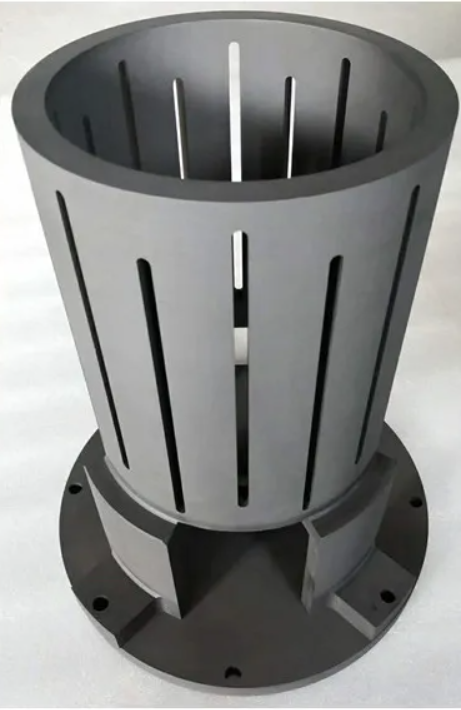
Влияние на производителността на графитните нагреватели върху производствената прецизност
Във високотемпературни индустриални среди, постигането на точност в процесите често зависи от топлинната стабилност на нагревателните елементи, използвани в системата. Графитният нагревател е критичен компонент в сектори, простиращи се от производството на полупроводници до напреднала металургия, където дори незначително колебание в топлинния изход може да доведе до значителни дефекти в продукцията. Основната причина инженерите да се насочват към графитни решения се крие в уникалните физически свойства на материала, които осигуряват степен на контрол, която традиционните метални нагревателни елементи често се провалят да постигнат. Като осигурява последователен и предвидим източник на топлина, тези компоненти гарантират, че химичните или физични трансформации, протичащи в пещ или реактор, се извършват при строго определени параметри. Тази последователност е основата за висока добивност в производството, което прави изборът на нагревателна технология решаващ фактор за постигане на общо оперативно изключително качество.
Топлинна еднородност и ефективност на разпределение на топлината
Топлинните градиенти са враг на прецизността. Ако едната страна на пластинка или форма е значително по-гореща от другата, получените вътрешни напрежения могат да наруши цялостта на крайния продукт. Използването на графитен нагревател осигурява по-равномерно разпределение на лъчистата енергия в зоната за нагряване. Тъй като графитът може да се обработва в сложни геометрии с висока прецизност, нагревателният елемент може да бъде персонализиран така, че да компенсира топлинните загуби по ръбовете на камерата, ефективно създавайки „равен“ топлинен профил, който е от съществено значение за чувствителни процеси.
Висока излъчвателна способност и лъчиста мощност
Ефективността на графитен нагревател в голяма степен се определя от високата му излъчвателна способност, която е мярка за това колко ефективно повърхността излъчва топлинно излъчване. За разлика от металните нагреватели, които могат да отразяват част от енергията обратно към себе си или да променят характеристиките на повърхността си с времето поради окисляване, графитът запазва постоянно висока излъчвателна способност. Това означава, че при даден входящ мощност графитният нагревател предава по-предвидимо количество топлина на обработвания компонент. Тази предвидимост позволява на инженерите по процесите да калибрират системите си с много по-голяма сигурност, като знаят, че изходната енергия няма да се променя по време на производствения цикъл. Освен това бързото време на отклик на графита осигурява по-прецизен затворен контур за управление, което позволява на системата почти моментално да реагира на минимални отклонения в температурата.
Геометрична стабилност и устойчивост на деформация
Един от най-често срещаните причини за отклонение в процеса при високотемпературни приложения е физическото провисване или деформиране на нагревателните елементи. Металните сплави често изпитват явление, наречено "пълзене" при екстремни температури, което променя разстоянието им до обработвания компонент и следователно променя топлинния поток. В противоположност на това, графитен нагревател се отличава с изключителна стабилност на размерите. Графитът всъщност става по-силен при нагряване, до определена степен, и не страда от същия вид механична умора като огнеупорните метали. Тази структурна цялост гарантира, че геометрията на нагряването остава непроменена от първия до хилядния час на работа, като по този начин се премахва един от най-досадните фактори при контрола на процеса. Когато разстоянието между източника на топлина и целта остане постоянно, точността на процеса се запазва естествено.
Чистота и контрол на замърсяването в чувствителни среди
В индустриите като производство на полупроводници или соларни клетки, точността на процеса не се измерва само чрез температура; тя включва и химическа чистота. Всяко газообразно отделяне или отделяне на частици от един нагревателен елемент може да внеси примеси в кристалната решетка на силиция, което прави цялата партида безполезна. Нагревател от висока чистота, изработен от графит, често се обработва със специализирани покрития, като карбид на силиций, за да се осигури, че нагревателната среда остава напълно чиста. Този уровень на чистота е предпоставка за постигане на точността в нанометров диапазон, необходима в съвременната електроника.
Химична инертност и съвместимост на материалите
Химичната природа на графита го прави идеален кандидат за вакуумни и инертни газови среди. Графитният нагревател не реагира с повечето процесни газове, което предотвратява образуването на летливи странични продукти, които биха могли да попречат на точността на процеса за отлагане от пари на химическо съединение. Във вакуумни пещи, където липсата на атмосфера прави преноса на топлина почти изцяло зависим от радиацията, стабилността на графитната повърхност е от първостепенно значение. Тъй като материала не образува люспи или не се рони, както много метали, рискът от "горещи точки", причинени от деградация на повърхността, е практически несъществуващ. Тази химическа стабилност осигурява чиста и възпроизводима среда, в която единствените променливи са тези, преднамерено въведени от оператора.
Напреднали решения с очистен графит
Производственият процес на графитен нагревател може да включва сериозни стъпки за пречистване, за да се намали съдържанието на пепел под 5 части на милион. Този ултрапур материал гарантира липсата на следи от елементи като бор или фосфор, които биха могли да дифундират в работната камера. Контролирайки качеството на суровините до такава степен, производителите осигуряват нагревател, който действа като неутрален участник в топлинния процес. За крайния потребител това означава по-високи проценти на успех при чувствителни процеси за легиране или операции по растеж на кристали. За разлика от алтернативни материали, които предлагат по-ниски първоначални разходи, но внасят риск от замърсяване, високочистият графит поддържа философията „копирай точно“, необходима в производството на високи технологии, където всеки цикъл трябва да е напълно идентичен на предишния.
Дългосрочна надеждност и оперативна последователност
Общата точност на процеса често се измерва в целия жизнен цикъл на машина, а не само при единичен цикъл. Ако един нагревателен елемент бързо се деградира, системата за управление трябва постоянно да се адаптира към променящото му съпротивление и топлинна мощност. Графитният нагревател осигурява изключително стабилен профил на електрическото съпротивление през целия му експлоатационен живот. Тази стабилност опростява изискванията за захранване и софтуерно управление, тъй като няма нужда от сложни алгоритми за компенация, за да се компенсират промените поради остаряване на нагревателя.
Стабилност на съпротивлението и електрически параметри
Електрическото съпротивление на графитов нагревател остава сравнително постоянно по време на целия му експлоатационен живот, особено при сравнение с материали като мolibден дисилицид или силициев карбид, при които съпротивлението може значително да се промени с напредването на възрастта. Тази стабилност е от съществено значение за поддържане на точността на плътността на мощността в зоната за нагряване. Когато съпротивлението е стабилно, системата за управление може да подава мощност с много по-висока прецизност, което води до по-тясни температурни допуски. За обект, работещ 24/7, това означава по-малко прекъсвания за преустановяване и значително по-нисък риск от "термично изместване", което би могло постепенно да изведе процеса извън зададените граници.
Поносимост при сурови термични цикли
Термичното циклиране е едно от най-тежките натоварвания за всеки промишлен компонент. Способността на графитния нагревател да издържа многократни фази на загряване и охлаждане, без да се напука или деформира структурно, е голямо предимство за приложения в серийна обработка. Ниският коефициент на топлинно разширение на графита минимизира вътрешните напрежения, които обикновено водят до разрушаване на материала при други нагревателни елементи. Тази издръжливост гарантира, че физическото подравняване на нагревателя в пещта остава перфектно в продължение на стотици цикли. Когато оборудването остава надеждно, процесът също остава точен, намалявайки вероятността от неочаквано поддръжково вмешателство, което може да наруши производствен график — и прецизен процес — в хаос.
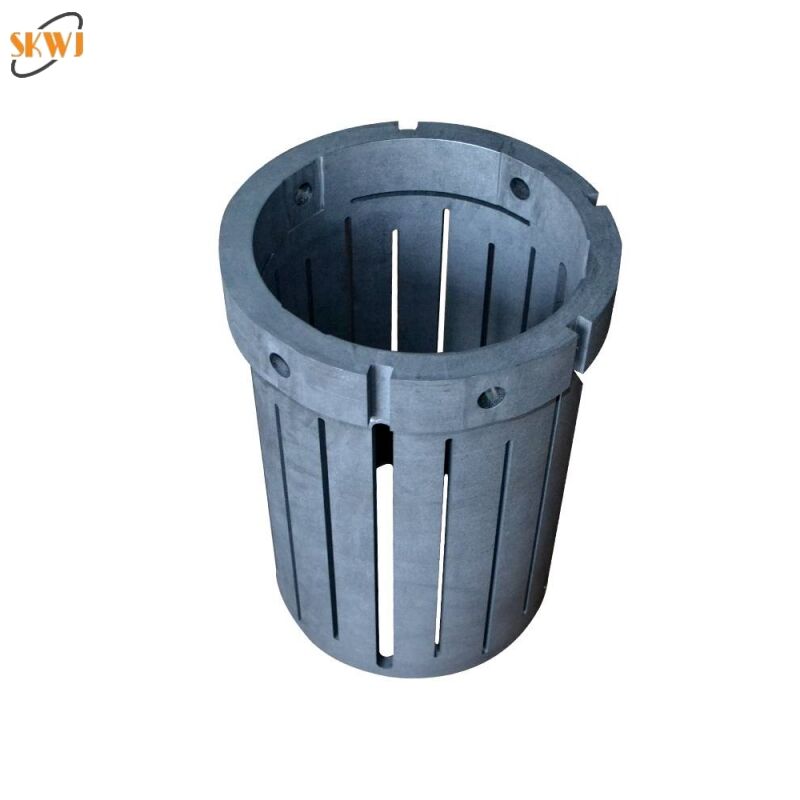
Повишаване на добива чрез превъзходно термично управление
В крайна сметка, решението да се внедри графитен нагревател е решение за инвестиране в по-висока отдача. В производството с високи рискове, цената на един неуспешен цикъл поради неточно нагряване може значително да надхвърли първоначалните разходи за прецизни графитни компоненти. Синергията между висока топлопроводимост, излъчвателна способност и химическа чистота създава среда за термичен контрол, която допринася за най-високо ниво на прецизност. Като премахне „шума“ от променлив топлинен изход и замърсяване, графитът позволява реализирането на истинския потенциал на процесната химия.
Интеграция със системи за прецизно управление
Съвременното производство разчита на сложни PLC и PID контури за регулиране на температура с точност от дробни части на градус. Графитният нагревател е идеален партньор за тези системи, защото физическата му реакция към промени в захранването е изключително предвидима. Високата топлопроводимост на графита осигурява бързо разпространение на топлината през елемента, намалявайки „термичното закъснение“, което може да причини прекомерно реагиране или трептене на PID регулаторите. Тази бърза и предвидима реакция е точно това, което е необходимо за поддържане на тесните допуски, изисквани в съвременното производство на аерокосмически и електронни компоненти. Когато нагревателят реагира точно както очаква регулиращият контролер, цялата система работи в състояние на хармонична стабилност.
Персонализиране за специфични технологични изисквания
Никои два индустриални процеса не са напълно еднакви и гъвкавостта на графита позволява степен на персонализация, която директно подобрява точността. Независимо дали става въпрос за змеевиден нагревател за равномерно загряване на газ или за многозонен графитен нагревател за сложен контрол на градиентите, материала може да бъде адаптиран към специфичната физика на приложението. Този персонализиран подход означава, че инженерите не трябва да се "примирият" със стандартен нагревател, който би могъл да създаде неравномерни топлинни зони. Вместо това те могат да проектират термично решение, което отговаря точно на изискванията на техния процес, като гарантират обработка с една и съща прецизност на всеки квадратен сантиметър от детайлa. Това ниво на персонализация е именно което разграничава стандартното производство от прецизното инженерство от световна класа.
ЧЗВ
Променя ли се значително електрическото съпротивление на графитен нагревател с течение на времето?
Не, едно от основните предимства на графитния нагревател е изключителната му електрическа стабилност. За разлика от метални нагревателни елементи или някои керамични нагреватели, които „стареят“ и при които съпротивлението значително нараства с течение на времето, графитът запазва много постоянен профил на съпротивлението. Тази стабилност е от решаващо значение за точността на процеса, тъй като позволява захранването да подава последователна енергия без нужда от чести преизчисления или сложни корекции. Доколкото нагревателят се използва в рамките на проектните си параметри и е защитен от окисляване, неговите електрически характеристики ще останат стабилни, което допринася за възпроизводими резултати в производството на дълга срока.
Как графитният нагревател понася вакуумни среди в сравнение с други материали?
Графитният нагревател е изключително подходящ за вакуумни среди, тъй като не страда от крехкост или деградация на повърхността, които засягат много метали при високи температури във вакуум. При тези условия преносът на топлина зависи почти изцяло от радиацията. Тъй като графитът има висока и стабилна излъчвателна способност, той осигурява много надежден източник на лъчисто топлинно излъчване. Освен това графитът има ниско налягане на пари, което означава, че няма да сублимира или отделя газове значително при високи температури, което помага за запазване цялостта на вакуума и предотвратява замърсяването на технологичната камера. Това го прави превъзходен избор за производство, базирано на вакуум, като растеж на силициеви слитъци или специализирано запояване.
Необходимо ли е да се използва защитно покритие върху графитен нагревател?
Въпреки че графитът е естествено здрав, много прецизни приложения извличат полза от защитно покритие, като карбид на силиция (SiC) или пиролитичен въглерод. Тези покрития изпълняват няколко функции: предотвратяват отделянето на микроскопични частици графит, осигуряват допълнителна бариера срещу химическа ерозия и дори могат да подобрят топлинните свойства на нагревателя. При производството на полупроводници или при високочисти металургични процеси графитният нагревател с покритие често е стандарт, тъй като гарантира, че в чувствителната среда няма да бъдат внесени примеси. Изборът на покритие зависи от конкретните процесни газове и максималната работна температура на приложението.
Може ли графитен нагревател да се използва в околнa среда с високо съдържание на кислород?
Графитът започва да се окислява при контакт с кислород при температури над приблизително 400°–450°C. Поради това в процеси, изискващи атмосфера, богата на кислород, графитният нагревател трябва или да бъде защитен с издръжлив, непроницаем слой, или да се използва по начин, който изолира графита от кислорода. В повечето индустриални приложения, където графитът е предпочитаният избор, процесът се провежда във вакуум или под атмосфера от инертен газ (като аргон или азот), за да се предотврати окислението. Ако вашият процес изисква високи температури във въздух, може да се наложи използването на алтернативни материали или специализирани плътно затворени конструкции на нагреватели.
Съдържание
- Влияние на производителността на графитните нагреватели върху производствената прецизност
- Топлинна еднородност и ефективност на разпределение на топлината
- Чистота и контрол на замърсяването в чувствителни среди
- Дългосрочна надеждност и оперативна последователност
- Повишаване на добива чрез превъзходно термично управление
- ЧЗВ
- Променя ли се значително електрическото съпротивление на графитен нагревател с течение на времето?
- Как графитният нагревател понася вакуумни среди в сравнение с други материали?
- Необходимо ли е да се използва защитно покритие върху графитен нагревател?
- Може ли графитен нагревател да се използва в околнa среда с високо съдържание на кислород?

