
 EN
EN


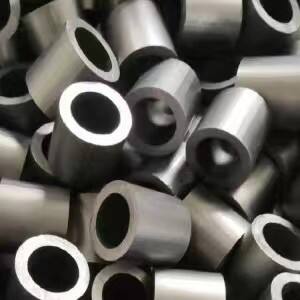
Industrial heating systems require precise temperature control and exceptional energy efficiency to maintain competitive operational costs. Among the various heating technologies available, the graphite heater has emerged as a critical component for industries demanding high-performance thermal solutions. The selection of appropriate graphite materials directly influences system efficiency, operational longevity, and overall energy consumption patterns in industrial applications.
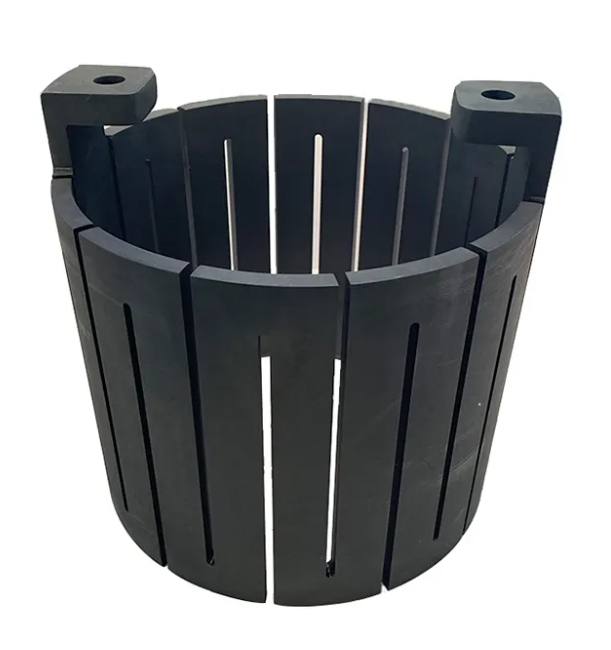
The fundamental properties of graphite make it an exceptional material for heating applications across diverse industrial sectors. Graphite exhibits remarkable thermal conductivity, electrical resistivity characteristics, and chemical inertness that translate into superior energy transfer capabilities. Understanding these material properties becomes essential when evaluating how different graphite selections impact the overall energy efficiency of heating systems.
Fundamental Properties of Graphite in Heating Applications
Thermal Conductivity Characteristics
Graphite demonstrates exceptional thermal conductivity properties that significantly influence heating system performance. The crystalline structure of high-quality graphite enables rapid heat transfer rates, allowing for more efficient energy distribution throughout the heating element. Different grades of graphite exhibit varying thermal conductivity values, with premium synthetic graphite achieving conductivity rates exceeding 400 W/mK under optimal conditions.
The anisotropic nature of graphite thermal properties requires careful consideration during system design phases. Along the graphite grain direction, thermal conductivity reaches maximum values, while perpendicular orientations demonstrate reduced conductivity characteristics. This directional dependency directly impacts how effectively a graphite heater transfers energy to the target application, influencing overall system efficiency metrics.
Electrical Resistance and Energy Conversion
The electrical resistance properties of graphite materials determine the energy conversion efficiency from electrical input to thermal output. High-purity graphite exhibits predictable resistance characteristics across wide temperature ranges, enabling precise control over power consumption and heat generation rates. The resistance temperature coefficient of quality graphite remains relatively stable, providing consistent performance throughout operational cycles.
Graphite purity levels significantly influence electrical resistance uniformity and long-term stability. Impurities within the graphite matrix can create localized resistance variations that lead to uneven heating patterns and reduced energy efficiency. Premium graphite materials with purity levels exceeding 99.95% demonstrate superior electrical performance characteristics and enhanced operational reliability.
Impact of Graphite Grade Selection on System Efficiency
Synthetic versus Natural Graphite Performance
The choice between synthetic and natural graphite materials presents significant implications for heating system energy efficiency. Synthetic graphite offers superior purity levels, uniform grain structure, and predictable thermal properties that translate into enhanced performance characteristics. These materials demonstrate consistent energy conversion rates and extended operational lifespans compared to natural graphite alternatives.
Natural graphite materials, while cost-effective, often contain impurities that affect thermal and electrical properties. The irregular grain structure of natural graphite can create localized hot spots within the heating element, leading to inefficient energy distribution and potential system failures. Advanced graphite heater designs increasingly utilize synthetic materials to achieve optimal energy efficiency standards.
Grain Size and Structure Considerations
Graphite grain size significantly influences the thermal and mechanical properties of heating elements. Fine-grained graphite materials exhibit uniform thermal distribution characteristics and enhanced mechanical strength, contributing to improved energy efficiency and extended service life. The smaller grain structure provides more uniform electrical resistance distribution, enabling consistent heat generation across the entire heating element surface.
Coarse-grained graphite materials may demonstrate superior thermal conductivity in specific directions but often exhibit reduced mechanical integrity under thermal cycling conditions. The larger grain boundaries can become preferential failure points during repeated heating and cooling cycles, potentially compromising long-term energy efficiency performance.
Temperature Range Optimization and Energy Consumption
High-Temperature Performance Characteristics
The temperature capability of graphite materials directly correlates with heating system energy efficiency across various industrial applications. Premium graphite heater elements can operate effectively at temperatures exceeding 3000°C in inert atmospheres, providing exceptional energy transfer capabilities for high-temperature processing applications. The stable thermal properties of quality graphite ensure consistent energy conversion rates throughout the operational temperature range.
Thermal expansion characteristics of different graphite grades influence system efficiency during temperature ramping cycles. Low thermal expansion graphite materials minimize mechanical stress within heating assemblies, reducing energy losses associated with thermal distortion and maintaining optimal thermal contact throughout operational cycles.
Thermal Cycling Stability and Longevity
The ability of graphite materials to withstand repeated thermal cycling directly impacts long-term energy efficiency performance. High-quality graphite heater elements demonstrate exceptional thermal shock resistance, maintaining structural integrity and electrical properties throughout numerous heating and cooling cycles. This stability ensures consistent energy conversion rates and minimizes performance degradation over time.
Inferior graphite materials may experience microcracking during thermal cycling, leading to increased electrical resistance and reduced energy efficiency. The progressive degradation of thermal and electrical properties results in higher energy consumption requirements to maintain target temperatures, significantly impacting operational costs over the heating system lifecycle.
Chemical Compatibility and Environmental Considerations
Oxidation Resistance Properties
The chemical inertness of graphite materials provides significant advantages for heating system efficiency in challenging environmental conditions. High-purity graphite demonstrates excellent resistance to chemical attack from various process gases and atmospheric conditions, maintaining consistent thermal properties throughout extended operational periods. This chemical stability ensures that graphite heater performance remains stable without degradation due to environmental exposure.
Oxidation resistance becomes particularly critical for heating systems operating at elevated temperatures in air or oxygen-containing atmospheres. Specialized graphite formulations with enhanced oxidation resistance enable extended operational lifespans and maintained energy efficiency in demanding applications where protective atmospheres are not feasible.
Contamination Prevention and Purity Maintenance
The purity level of graphite materials significantly influences heating system performance and energy efficiency characteristics. Contamination from metallic impurities can alter electrical resistance properties and create localized heating irregularities that reduce overall system efficiency. Premium graphite heater materials undergo extensive purification processes to achieve ultra-high purity levels essential for critical applications.
Maintaining graphite purity throughout manufacturing and installation processes requires careful attention to material handling and environmental controls. Contamination during fabrication can compromise the inherent properties of high-quality graphite, leading to reduced energy efficiency and potential system failures in demanding industrial applications.
Design Optimization Strategies for Maximum Efficiency
Geometric Configuration and Heat Distribution
The geometric design of graphite heater elements significantly influences energy distribution patterns and overall system efficiency. Optimized cross-sectional areas and heating element configurations ensure uniform temperature distribution while minimizing energy consumption requirements. Advanced modeling techniques enable precise prediction of thermal performance characteristics for various graphite heater geometries.
Surface area optimization plays a crucial role in maximizing heat transfer efficiency from graphite heating elements to target applications. Increased surface area configurations provide enhanced thermal coupling while maintaining acceptable power densities for sustainable long-term operation. Proper geometric design balances energy efficiency requirements with mechanical integrity considerations.
Integration with System Controls and Monitoring
Modern graphite heater systems incorporate sophisticated control technologies that optimize energy consumption based on real-time performance feedback. Temperature monitoring and power regulation systems ensure that heating elements operate within optimal efficiency ranges while preventing overheating conditions that could compromise material properties. Advanced control algorithms adapt heating patterns to maintain consistent energy efficiency throughout varying load conditions.
Predictive maintenance strategies utilizing continuous monitoring of graphite heater performance enable proactive optimization of energy consumption patterns. Early detection of performance degradation allows for timely maintenance interventions that restore optimal efficiency levels and extend operational lifespans of heating system components.
Industrial Applications and Performance Benchmarks
Semiconductor Manufacturing Requirements
Semiconductor manufacturing processes demand exceptional precision and energy efficiency from heating systems, making graphite heater selection critical for operational success. The ultra-clean environment requirements and precise temperature control specifications necessitate premium graphite materials with superior purity and performance characteristics. Energy efficiency considerations directly impact manufacturing costs and product quality in these demanding applications.
The rapid temperature ramping capabilities required in semiconductor processing benefit significantly from optimized graphite heater designs. Low thermal mass configurations enable rapid heating and cooling cycles while maintaining excellent energy efficiency throughout the process sequence. These performance requirements drive continued advancement in graphite material technology and heating system design.
Metal Processing and Heat Treatment Applications
Metal processing applications require robust graphite heater solutions capable of sustained high-temperature operation with exceptional energy efficiency. The demanding thermal cycling conditions and reactive atmosphere exposure necessitate carefully selected graphite grades with enhanced durability and stability characteristics. Energy consumption optimization becomes particularly important in large-scale metal processing operations where heating costs represent significant operational expenses.
Heat treatment applications benefit from the uniform heating characteristics achievable with properly designed graphite heater systems. The ability to maintain precise temperature profiles throughout large workpiece volumes ensures consistent material properties while optimizing energy consumption for maximum operational efficiency.
FAQ
What factors determine the energy efficiency of graphite heaters in industrial applications
The energy efficiency of graphite heaters depends primarily on material purity, grain structure, thermal conductivity, and electrical resistance characteristics. High-purity synthetic graphite with fine grain structure typically provides superior energy conversion rates and uniform heat distribution. Additionally, proper system design, temperature control strategies, and maintenance practices significantly influence overall efficiency performance.
How does graphite grade selection affect long-term operational costs
Premium graphite grades with superior thermal and electrical properties generally provide lower long-term operational costs despite higher initial material expenses. High-quality graphite heater elements demonstrate extended service life, consistent performance characteristics, and reduced energy consumption throughout their operational lifespan. The improved reliability and efficiency of premium materials typically result in significant cost savings over the complete system lifecycle.
What are the key performance indicators for evaluating graphite heater efficiency
Key performance indicators include energy conversion efficiency, temperature uniformity, thermal response time, and operational stability over thermal cycling conditions. Power consumption per unit of thermal output provides a direct measure of efficiency, while temperature distribution measurements indicate heating element performance quality. Long-term resistance stability and mechanical integrity serve as indicators of sustained efficiency performance.
How do environmental conditions impact graphite heater energy efficiency
Environmental conditions such as atmospheric composition, humidity, and operating temperature ranges significantly influence graphite heater performance and energy efficiency. Oxidizing atmospheres can degrade graphite properties over time, reducing efficiency and requiring higher power inputs to maintain target temperatures. Protective atmospheres or specialized graphite formulations help maintain optimal efficiency in challenging environmental conditions.
Table of Contents
- Fundamental Properties of Graphite in Heating Applications
- Impact of Graphite Grade Selection on System Efficiency
- Temperature Range Optimization and Energy Consumption
- Chemical Compatibility and Environmental Considerations
- Design Optimization Strategies for Maximum Efficiency
- Industrial Applications and Performance Benchmarks
-
FAQ
- What factors determine the energy efficiency of graphite heaters in industrial applications
- How does graphite grade selection affect long-term operational costs
- What are the key performance indicators for evaluating graphite heater efficiency
- How do environmental conditions impact graphite heater energy efficiency

