
 EN
EN


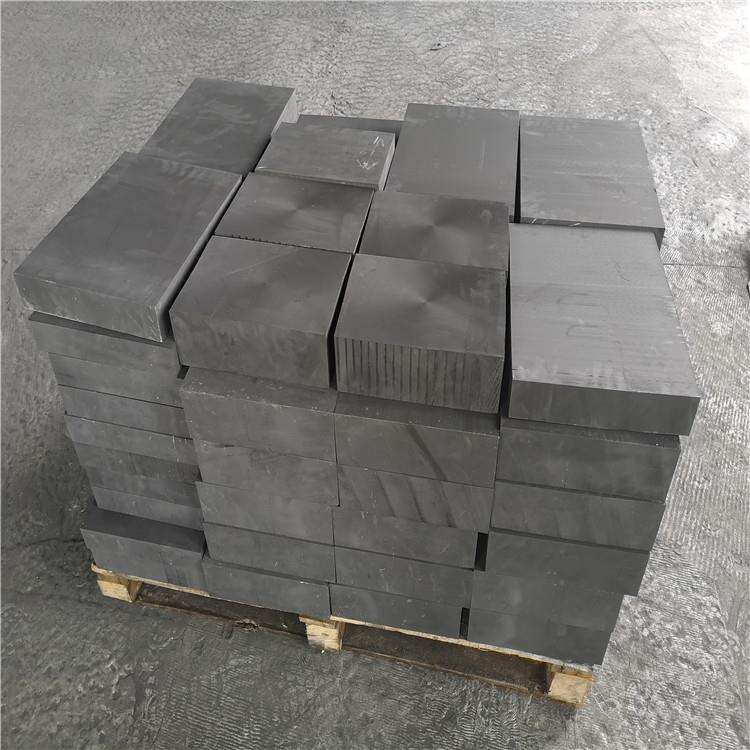
Industrial equipment operating in harsh working conditions faces constant challenges that can significantly impact performance and longevity. Among the various materials used in manufacturing critical components, graphite stands out as an exceptional choice due to its unique characteristics. Understanding how graphite properties influence equipment durability becomes crucial for industries seeking to optimize their operations while minimizing maintenance costs and unexpected downtime.
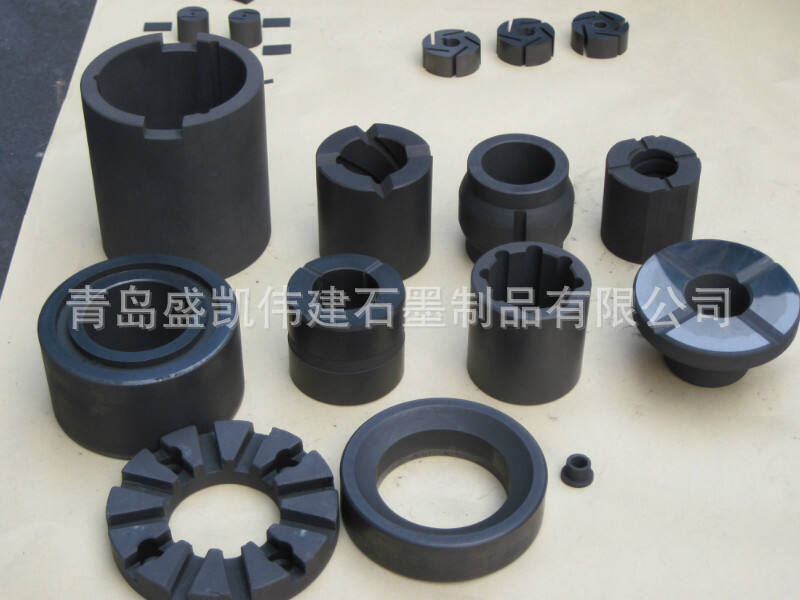
The relationship between material selection and equipment lifespan becomes particularly evident when examining components subjected to extreme temperatures, corrosive environments, and high mechanical stress. Graphite properties offer a unique combination of thermal stability, chemical resistance, and mechanical strength that makes it an ideal choice for demanding applications. Manufacturing engineers and procurement specialists increasingly recognize that investing in quality graphite components can result in substantial long-term savings through reduced maintenance requirements and extended operational periods.
Modern industrial applications demand materials that can withstand increasingly challenging operating conditions while maintaining consistent performance. The exceptional graphite properties that contribute to enhanced equipment lifespan include superior thermal conductivity, excellent corrosion resistance, and remarkable dimensional stability across temperature fluctuations. These characteristics enable equipment to operate reliably in environments where conventional materials would fail, ultimately protecting the entire system from premature wear and catastrophic failures.
Thermal Management and Heat Dissipation Benefits
Superior Thermal Conductivity Characteristics
The thermal conductivity of graphite surpasses most conventional materials, making it exceptionally effective for heat management applications. This fundamental aspect of graphite properties enables equipment to maintain optimal operating temperatures even under extreme thermal stress. Components manufactured from high-quality graphite can efficiently transfer heat away from critical areas, preventing thermal damage and extending the overall lifespan of mechanical systems.
Industrial equipment operating in high-temperature environments benefits significantly from graphite's ability to conduct heat uniformly throughout the component structure. This uniform heat distribution prevents the formation of hot spots that could lead to thermal expansion, material degradation, or component failure. The consistent thermal performance of graphite properties ensures that equipment maintains dimensional accuracy and functional integrity across varying temperature conditions.
Manufacturing processes that generate substantial heat loads rely on graphite components to maintain stable operating conditions. The excellent thermal management capabilities inherent in graphite properties allow machinery to operate continuously without requiring frequent cooling periods or thermal protection measures that could impact productivity and increase operational costs.
Temperature Resistance and Stability
Graphite demonstrates remarkable stability across an extensive temperature range, from cryogenic conditions to temperatures exceeding 3000°C in inert atmospheres. This exceptional temperature tolerance represents one of the most valuable graphite properties for equipment operating in extreme thermal environments. Components maintain their structural integrity and functional characteristics regardless of temperature fluctuations, ensuring consistent performance throughout the equipment's operational lifecycle.
The thermal expansion coefficient of graphite remains relatively low compared to metals and ceramics, meaning components experience minimal dimensional changes during heating and cooling cycles. This stability prevents the development of thermal stress that could lead to cracking, warping, or failure in critical equipment components. Industries processing materials at elevated temperatures particularly benefit from these stable graphite properties.
Equipment designers increasingly specify graphite components for applications involving rapid temperature changes or sustained high-temperature operation. The material's ability to withstand thermal shock without compromising structural integrity makes it ideal for applications where conventional materials would require frequent replacement or extensive thermal protection systems.
Chemical Resistance and Corrosion Protection
Inert Chemical Behavior
One of the most significant graphite properties contributing to extended equipment lifespan is its exceptional chemical inertness. Graphite resists attack from most acids, bases, and organic solvents, making it ideal for equipment operating in chemically aggressive environments. This resistance prevents the gradual degradation that affects metal components, eliminating the need for frequent replacements and reducing maintenance-related downtime.
Chemical processing equipment utilizing graphite components can operate continuously in environments containing corrosive substances without experiencing material deterioration. The stable carbon structure of graphite remains unaffected by most chemical reactions, ensuring that component dimensions and surface characteristics remain constant throughout the equipment's operational life. This chemical stability directly translates to improved equipment reliability and reduced maintenance costs.
Industries handling aggressive chemicals, such as pharmaceutical manufacturing, chemical processing, and semiconductor production, rely on graphite properties to maintain equipment integrity. The material's resistance to chemical attack prevents contamination issues that could affect product quality while simultaneously extending equipment service life through reduced component wear and degradation.
Oxidation Resistance Benefits
While graphite can oxidize at elevated temperatures in oxygen-rich environments, it demonstrates remarkable resistance to oxidation under controlled atmospheric conditions. This aspect of graphite properties makes it particularly suitable for applications in vacuum environments, inert gas atmospheres, or controlled processing conditions where oxidation resistance is critical for component longevity.
Equipment operating in environments where oxidation protection is essential benefits from graphite's natural resistance to degradation. The material maintains its structural properties and surface characteristics even during extended exposure to mildly oxidizing conditions, preventing the gradual deterioration that affects many alternative materials. This resistance contributes significantly to extended equipment operational periods between maintenance intervals.
Specialized graphite grades with enhanced oxidation resistance are available for applications requiring extended service life in challenging atmospheric conditions. These advanced materials combine the beneficial graphite properties with improved environmental resistance, enabling equipment to operate reliably in conditions that would quickly degrade conventional materials.
Mechanical Properties and Wear Resistance
Self-Lubricating Characteristics
The inherent self-lubricating nature of graphite represents one of its most valuable properties for extending equipment lifespan. The layered crystal structure of graphite allows individual layers to slide over one another with minimal friction, creating natural lubrication without requiring external lubricants. This self-lubricating behavior reduces wear on mating components and eliminates the need for frequent lubrication maintenance procedures.
Moving parts manufactured from graphite experience significantly reduced friction compared to metal alternatives, resulting in lower operating temperatures and reduced energy consumption. The consistent lubrication provided by graphite properties ensures smooth operation throughout the component's service life, preventing the stick-slip behavior that can cause vibration, noise, and accelerated wear in mechanical systems.
Equipment designers leverage these self-lubricating graphite properties to create maintenance-free systems that operate reliably without external lubrication systems. This capability is particularly valuable in applications where lubrication access is difficult, environmental contamination is a concern, or where lubricant degradation could affect system performance.
Dimensional Stability Under Load
Graphite maintains excellent dimensional stability when subjected to mechanical loads, ensuring that equipment tolerances remain within specification throughout extended operating periods. This stability results from the material's uniform structure and resistance to creep deformation under sustained stress. Components manufactured from quality graphite maintain their original dimensions and surface characteristics, preventing the gradual degradation that affects equipment performance over time.
The compressive strength and elastic properties of graphite enable components to withstand significant mechanical loads without permanent deformation. This characteristic is particularly important for precision equipment where dimensional accuracy directly affects performance and product quality. The stable mechanical graphite properties ensure that equipment continues to operate within design specifications throughout its intended service life.
Manufacturing equipment requiring precise tolerances and consistent performance benefits significantly from graphite's dimensional stability. Components maintain their geometric accuracy even under varying load conditions, preventing the accumulation of wear and dimensional changes that could lead to performance degradation or equipment failure.
Environmental Adaptability and Performance Consistency
Vacuum and Atmospheric Versatility
Graphite performs exceptionally well across various atmospheric conditions, from high vacuum environments to pressurized systems. This versatility in graphite properties makes it suitable for equipment operating in diverse environmental conditions without requiring material modifications or protective measures. The material's stable performance across different atmospheric pressures and compositions contributes significantly to equipment reliability and service life extension.
Vacuum processing equipment particularly benefits from graphite's compatibility with low-pressure environments. Unlike materials that may outgas or undergo structural changes in vacuum conditions, graphite maintains its integrity and performance characteristics. This stability prevents contamination issues and ensures consistent equipment operation throughout extended vacuum processing cycles.
Equipment operating in controlled atmospheres, such as inert gas environments or specialized processing chambers, relies on graphite properties to maintain performance without introducing unwanted reactions or contamination. The material's compatibility with various atmospheric compositions makes it ideal for sensitive applications where environmental purity is critical.
Moisture and Humidity Resistance
The hydrophobic nature of graphite provides excellent resistance to moisture absorption, preventing the dimensional changes and performance degradation associated with humidity exposure. This aspect of graphite properties is particularly important for equipment operating in varying humidity conditions or environments where moisture control is challenging to maintain.
Components manufactured from graphite maintain consistent performance regardless of ambient humidity levels, eliminating the need for environmental control systems that could increase operational costs. The material's resistance to moisture-induced swelling, warping, or degradation ensures that equipment continues to operate within design tolerances across varying environmental conditions.
Industrial applications in marine environments, outdoor installations, or facilities with poor environmental control benefit from graphite's moisture resistance. The stable performance of these graphite properties under humid conditions extends equipment service life while reducing maintenance requirements associated with moisture-related component degradation.
Economic Benefits and Cost Considerations
Long-term Maintenance Reduction
Investing in equipment components manufactured from quality graphite materials typically results in substantial long-term maintenance savings. The exceptional durability and resistance characteristics of graphite properties significantly extend component service life, reducing the frequency of replacement parts and associated labor costs. This economic benefit becomes increasingly apparent in applications where equipment downtime is costly or where component access for maintenance is difficult.
The self-lubricating nature and chemical resistance of graphite eliminate many routine maintenance procedures required for conventional materials. Equipment utilizing graphite components operates with minimal intervention, reducing both scheduled maintenance costs and the risk of unexpected failures that could result in production losses or safety concerns.
Manufacturing facilities report significant cost savings when implementing graphite components in critical equipment applications. The extended service life and reduced maintenance requirements associated with superior graphite properties often justify the initial material investment through improved operational efficiency and reduced lifecycle costs.
Energy Efficiency Improvements
The excellent thermal conductivity and low friction characteristics of graphite contribute to improved energy efficiency in equipment operation. Systems utilizing graphite components typically require less energy for heating, cooling, and mechanical operation compared to alternatives. This energy efficiency improvement represents both environmental and economic benefits that accumulate throughout the equipment's operational life.
Equipment designers increasingly recognize that the thermal management capabilities inherent in graphite properties can eliminate the need for auxiliary cooling or heating systems. This simplification reduces both initial equipment costs and ongoing energy consumption, contributing to improved overall system economics and reduced environmental impact.
The reduced friction and improved heat transfer associated with graphite components result in lower operating temperatures and reduced energy consumption for mechanical systems. These efficiency improvements contribute to extended equipment lifespan while simultaneously reducing operational costs and environmental impact.
FAQ
What makes graphite superior to metals for harsh industrial applications
Graphite properties offer several advantages over metals in harsh environments, including superior chemical resistance, self-lubrication, and excellent thermal conductivity without thermal expansion issues. Unlike metals, graphite does not corrode, requires no external lubrication, and maintains dimensional stability across extreme temperature ranges, making it ideal for equipment operating in challenging conditions where metal components would require frequent replacement or extensive protection systems.
How do graphite properties affect equipment maintenance schedules
The exceptional durability and resistance characteristics of graphite properties significantly extend maintenance intervals for equipment components. The self-lubricating nature eliminates routine lubrication requirements, while chemical and thermal resistance prevents gradual degradation that necessitates frequent inspections and replacements. Many facilities report maintenance interval extensions of 300-500% when switching from conventional materials to quality graphite components in critical applications.
Can graphite components operate effectively in oxidizing environments
While graphite properties include some susceptibility to oxidation at elevated temperatures in oxygen-rich environments, specialized grades and protective measures can extend service life in moderately oxidizing conditions. For applications requiring extended operation in oxidizing atmospheres, protective coatings or controlled atmospheric conditions can be implemented to maximize the benefits of graphite properties while minimizing oxidation effects on equipment performance.
What cost considerations should be evaluated when selecting graphite components
When evaluating graphite properties for equipment applications, consider both initial material costs and long-term operational benefits. While graphite components may have higher upfront costs compared to conventional materials, the extended service life, reduced maintenance requirements, and improved energy efficiency typically result in significant lifecycle cost savings. Facilities should evaluate total cost of ownership including downtime reduction, maintenance savings, and performance improvements when making material selection decisions.

