
 EN
EN


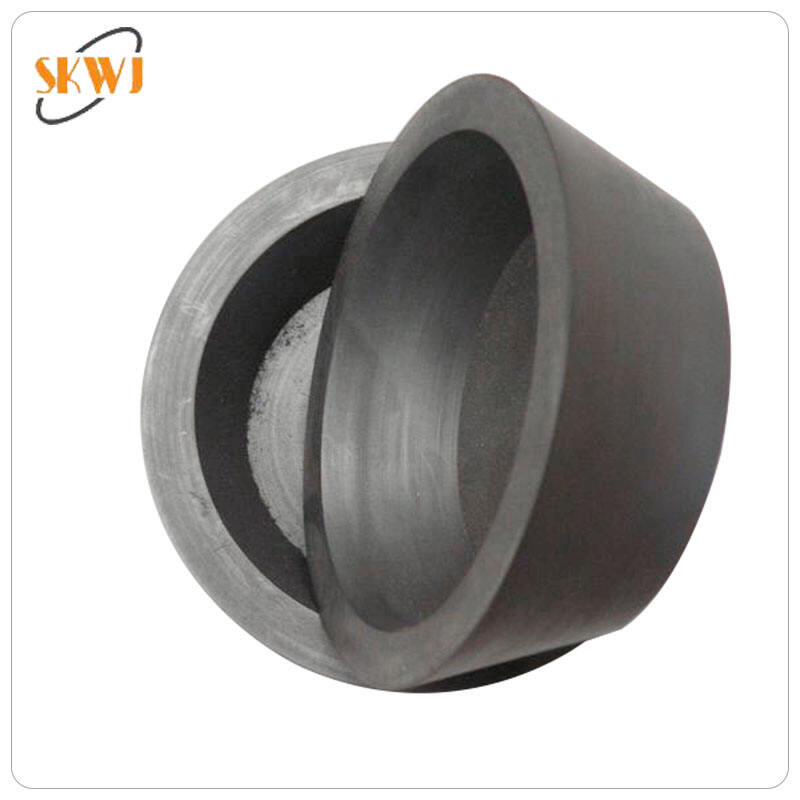
Factors Influencing Precision in the Graphite Mold Casting Process
Precision casting relies heavily on the physical and chemical stability of the molding material used during the solidification of molten metal. When using a graphite mold, the primary factor contributing to dimensional accuracy is the material's exceptionally low coefficient of thermal expansion. Unlike sand or certain metal alloys that may warp or expand significantly when exposed to extreme temperatures, graphite maintains its structural integrity. This stability ensures that the cavity dimensions remain constant from the moment the molten metal is poured until the casting reaches its solid state. Furthermore, the inherent self-lubricating properties of graphite reduce friction between the mold walls and the cooling metal, preventing surface drag that could otherwise distort fine details or lead to dimensional deviations.
Material Density and Porosity Control
The structural density of a graphite mold is a critical determinant of how well it can replicate the intricate details of a master pattern. High-density graphite features a fine-grain structure that allows for the machining of extremely tight tolerances, often within micrometers. Because the porosity of the material is tightly controlled during the manufacturing process, there is minimal risk of gas entrapment or surface irregularities that could affect the final dimensions of the cast part. When the molten metal enters the mold, the smooth surface finish of the high-density graphite prevents the metal from "wetting" the mold surface, ensuring a clean release and a faithful reproduction of the intended geometry. This level of control is particularly vital in industries such as aerospace and semiconductor manufacturing, where even a fraction of a millimeter in deviation can result in component failure.
Thermal Conductivity and Solidification Rates
Another technical advantage of using a graphite mold is its high thermal conductivity, which facilitates a rapid and uniform cooling process. In traditional casting methods, uneven cooling often leads to internal stresses and shrinkage cavities, both of which compromise the dimensional accuracy of the finished product. Graphite acts as an efficient heat sink, drawing energy away from the molten metal at a consistent rate across the entire surface area of the casting. This uniform heat dissipation encourages directional solidification, allowing the metal to shrink predictably toward the center rather than pulling away from the mold walls in an erratic fashion. By managing the thermal gradient so precisely, manufacturers can calculate shrinkage allowances with a high degree of confidence, resulting in parts that match the original CAD specifications with remarkable consistency.
Geometric Stability and Surface Integrity of Graphite Mold Systems
The ability of a graphite mold to withstand repeated thermal cycling without losing its shape is a cornerstone of high-volume precision production. In many casting environments, molds are subjected to rapid heating and cooling phases that would cause conventional materials to fatigue or crack. Graphite, however, possesses a unique molecular structure that becomes stronger as the temperature increases, up to a certain threshold. This means that even under the intense heat required for casting copper, gold, or silver, the mold remains rigid and deformation-free. This geometric stability is essential for maintaining the alignment of multi-part mold assemblies, ensuring that parting lines remain crisp and that there is no "flash" or excess material leakage that would require extensive post-processing.
Resistance to Thermal Shock and Cracking
Thermal shock is one of the most common causes of dimensional inaccuracy in casting, as sudden temperature shifts can cause mold materials to develop micro-cracks or catastrophic fractures. A graphite mold is uniquely suited to handle these stresses due to its high thermal shock resistance. When the hot melt hits the relatively cooler mold surface, the material absorbs the energy without the localized expansion that leads to cracking. This durability not only extends the service life of the mold but also guarantees that the dimensions of the thousandth casting are identical to the first. For precision components, this longevity is crucial because it eliminates the variability introduced by frequently replacing worn or damaged molds, thereby streamlining the quality control process.
Surface Smoothness and Net Shape Capabilities
The quest for "near-net-shape" casting is greatly supported by the superior surface finish of a graphite mold. Because graphite can be polished to a mirror-like finish, the cast parts often require little to no secondary machining or grinding. This preservation of the "as-cast" surface is a major contributor to dimensional accuracy, as every additional machining step introduces the potential for human or mechanical error. By producing a surface that is naturally smooth and free of sand inclusions or scale, the graphite mold ensures that the external dimensions are locked in from the moment of solidification. This is especially beneficial for complex geometries with internal channels or intricate external fins where traditional finishing tools cannot easily reach, allowing for complex designs to be realized without sacrificing precision.
Optimization of Casting Parameters Using High Grade Graphite
To achieve the highest level of dimensional accuracy, the selection of the specific grade of graphite is just as important as the design of the mold itself. Different applications require varying levels of grain size and purity. For instance, ultra-fine grain graphite is often preferred for small, high-precision parts, while medium-grain varieties might be used for larger industrial components. The consistency of the graphite mold material ensures that the thermal and mechanical properties are uniform throughout the entire block. This uniformity allows engineers to simulate the casting process with high accuracy, predicting exactly how the metal will behave as it transitions from liquid to solid. When the mold material is predictable, the resulting casting is inherently more accurate.
Precision Machining of Mold Cavities
The accuracy of the final casting is fundamentally limited by the accuracy of the mold cavity itself. One of the reasons a graphite mold is so effective is that graphite is an exceptionally "machinable" material. It can be milled, turned, and EDM (Electrical Discharge Machining) processed with extreme precision without the burring or tool wear associated with hard metals. This ease of fabrication allows for the creation of complex, multi-cavity molds with interlocking features that maintain their alignment perfectly. Because the graphite does not undergo significant phase changes or stress relaxation after machining, the dimensions established in the tool shop are the same dimensions present during the casting operation. This direct transfer of precision from the tool to the part is a primary reason why graphite remains the gold standard for high-accuracy casting.
Chemical Inertness and Purity Standards
Dimensional accuracy can also be compromised by chemical reactions between the mold material and the molten metal. Some mold materials may react with specific alloys, causing surface pitting, gas evolution, or the formation of brittle intermetallic layers at the interface. A graphite mold is chemically inert to most non-ferrous metals and alloys, meaning it does not contaminate the melt or alter its chemical composition during the cooling phase. This lack of reactivity ensures that the surface of the casting remains clean and that the dimensions are not altered by the loss of material to oxidation or chemical erosion. In high-purity applications, such as the production of semiconductor-grade silicon or precious metal alloys, the inert nature of graphite is indispensable for maintaining both the physical dimensions and the metallurgical integrity of the product.
Engineering Advantages in Continuous Casting Applications
In the realm of continuous casting, the graphite mold serves as the primary die through which the metal is drawn. In this context, dimensional accuracy is not just about a single part, but about maintaining a consistent cross-section over hundreds of meters of material. The self-lubricating nature of graphite is paramount here, as it allows the solidifying metal to slide through the die with minimal resistance. Any sticking or "freezing" to the mold wall would cause surface defects or variations in the diameter or thickness of the strand. By providing a low-friction, thermally stable environment, graphite enables the production of rods, tubes, and sheets that meet exacting dimensional standards across the entire production run.
Friction Reduction and Mold Longevity
The interface between the molten metal and the graphite mold is characterized by low friction, which is vital for preventing mechanical deformation during the extraction phase of casting. In permanent mold casting, the force required to eject a part can sometimes slightly bend or warp a warm casting if the friction is too high. Graphite’s natural carbon structure acts as a dry lubricant, ensuring that parts pop out of the mold with minimal effort. This easy release preserves the critical dimensions of the part, particularly thin walls or delicate protrusions. Furthermore, because the mold does not suffer from the erosive effects of high-friction metal flow, it maintains its dimensional tolerances over a much longer period than metal or ceramic alternatives, providing a better return on investment for high-precision projects.
Integrated Cooling and Heat Management
Modern graphite mold designs often incorporate internal cooling channels to further refine the thermal management of the casting process. By circulating water or oil through the graphite block, manufacturers can create a highly controlled thermal environment that dictates the exact rate of solidification. This level of integration is possible because graphite is easy to drill and tap, allowing for complex internal geometries. The ability to "tune" the cooling rate in different sections of the mold helps to counteract the natural tendency of certain alloys to shrink unevenly. By balancing the heat extraction, the graphite mold ensures that the entire part reaches a stable temperature simultaneously, locking in the dimensions and preventing the internal stresses that cause post-casting distortion or "creep."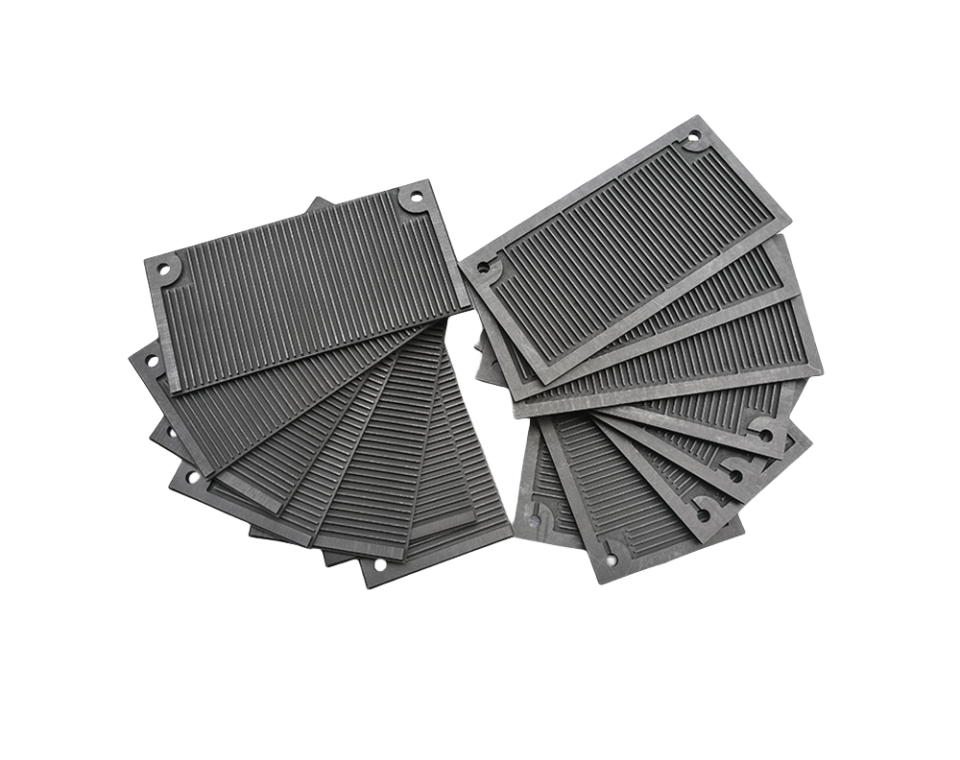
FAQ
How does the thermal expansion of a graphite mold compare to other materials?
The thermal expansion of graphite is significantly lower than that of most metals and sand-based molding materials. Most industrial grades of graphite have a coefficient of thermal expansion (CTE) that remains stable across a wide temperature range. This means that as the mold heats up during the pouring of molten metal, it expands very little. In contrast, a steel mold might expand and contract significantly, which can lead to "mold growth" and dimensional inconsistencies in the finished part. By using a graphite mold, engineers can minimize the variables associated with thermal movement, making it much easier to achieve tight tolerances in the final casting.
Can a graphite mold be used for high-melting-point metals like steel?
While a graphite mold is exceptionally effective for non-ferrous metals like gold, silver, copper, and aluminum, its use with ferrous metals like steel requires specific considerations. At the very high temperatures required for steel casting, carbon from the graphite can potentially dissolve into the molten steel, a process known as carburization. This can alter the chemical properties of the steel surface. However, for many precision applications where surface chemistry can be managed or where the exposure time is short, graphite is still used due to its unparalleled thermal stability. In many cases, specialized coatings are applied to the graphite mold to create a barrier that prevents carbon migration while still retaining the dimensional benefits of the graphite substrate.
Why is the self-lubricating property of graphite important for casting accuracy?
The self-lubricating nature of graphite is vital because it prevents the molten or solidifying metal from sticking to the mold walls. When metal adheres to a mold, even slightly, it creates "drag" during the cooling or ejection process. This drag can cause the metal to stretch, warp, or develop surface tears, all of which negatively impact the dimensional accuracy and surface quality of the part. Because a graphite mold provides a naturally slick surface, the metal can shrink away from the walls freely and uniformly during solidification. This ensures that the final dimensions are determined solely by the mold's geometry and the predictable shrinkage of the alloy, rather than by mechanical interference from the mold itself.
How many times can a graphite mold be reused before losing accuracy?
The lifespan of a graphite mold depends on the casting temperature, the alloy being cast, and the complexity of the part. However, one of the key benefits of graphite is its exceptional durability and resistance to thermal fatigue. In many continuous casting or permanent mold applications, a single graphite mold can be used for hundreds or even thousands of cycles before showing signs of wear. Because the material does not warp or "heat check" (develop surface cracks) as easily as tool steel, it maintains its dimensional precision throughout its entire service life. Proper maintenance, such as cleaning and occasional surface re-polishing, can further extend the life of the mold, ensuring that it continues to produce high-accuracy parts over a long production run.

